Arena Influences
We are as gods and might as well get good at it. - Stewart Brand
 Theodore Roosevelt
Excerpt from the speech "Citizenship In A Republic"
Delivered at the Sorbonne, in Paris, France on 23 April, 1910
Theodore Roosevelt
Excerpt from the speech "Citizenship In A Republic"
Delivered at the Sorbonne, in Paris, France on 23 April, 1910 “I believe that we, that this planet, hasn't seen its Golden Age. Everybody says its finished ... art's finished, rock and roll is dead, God is dead. Fuck that! This is my chance in the world. I didn't live back there in Mesopotamia, I wasn't there in the Garden of Eden, I wasn't there with Emperor Han, I'm right here right now and I want now to be the Golden Age ...if only each generation would realise that the time for greatness is right now when they're alive ... the time to flower is now.” -Patti Smith
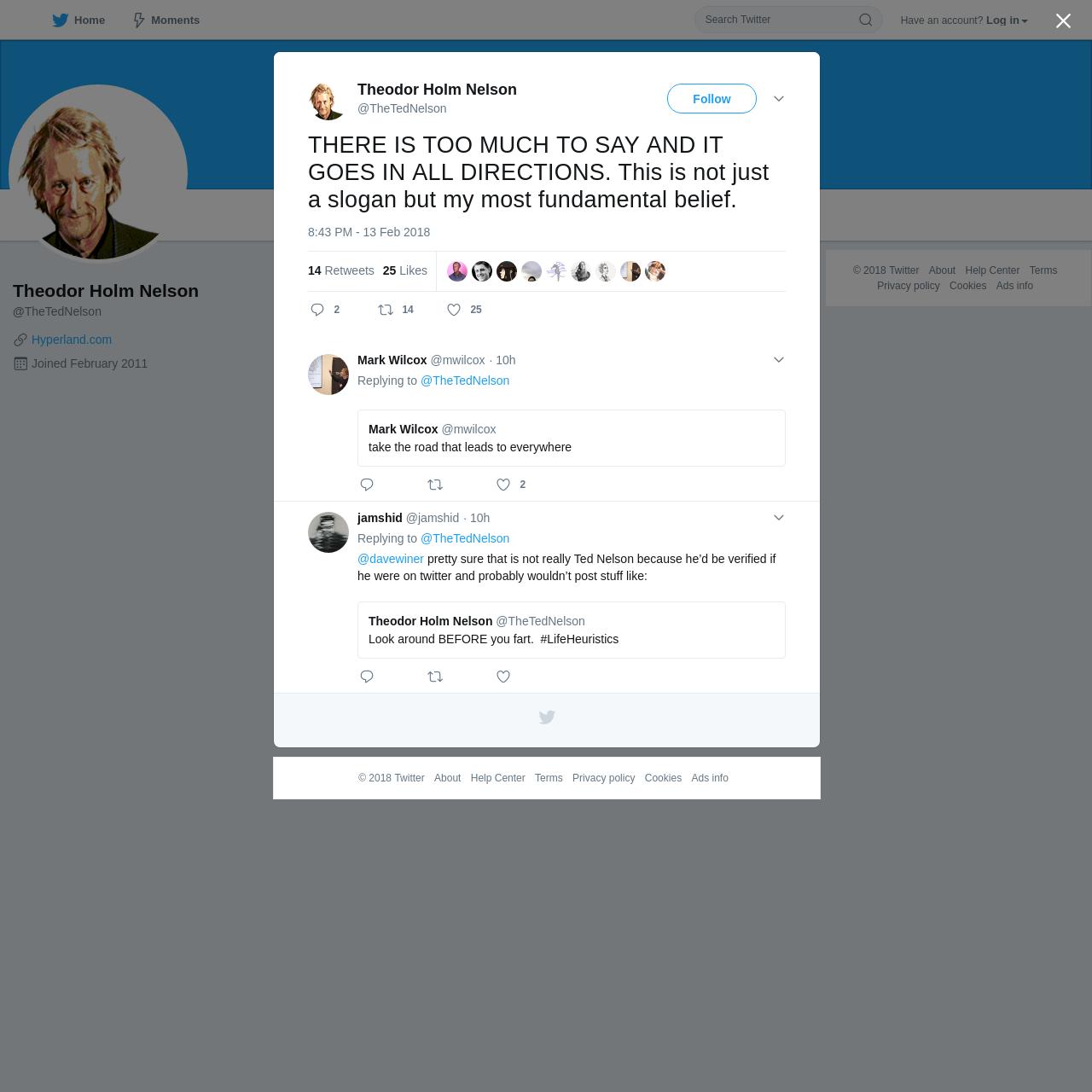
 A document is not necessarily a simulation of paper. In the most general sense, a document is a package of ideas created by human minds and addressed to human minds, intended for the furtherance of those ideas and those minds. Human ideas manifest as text, connections, diagrams and more: thus how to store them and present them is a crucial issue for civilization.—Ted Nelson"The real romance is out ahead and yet to come. The computer revolution hasn't started yet. Don't be misled by the enormous flow of money into bad defacto standards for unsophisticated buyers using poor adaptations of incomplete ideas."
—Alan KayThe otaku, the passionate obsessive, the information age's embodiment of the connoisseur, more concerned with the accumulation of data than of objects, seems a natural crossover figure in today's interface of British and Japanese cultures. I see it in the eyes of the Portobello dealers, and in the eyes of the Japanese collectors: a perfectly calm train-spotter frenzy, murderous and sublime. Understanding otaku -hood, I think, is one of the keys to understanding the culture of the web. There is something profoundly post-national about it, extra-geographic. We are all curators, in the post-modern world, whether we want to be or not.
--William Gibson, Modern boys and mobile girls, April 2001 edition of The Observer
A document is not necessarily a simulation of paper. In the most general sense, a document is a package of ideas created by human minds and addressed to human minds, intended for the furtherance of those ideas and those minds. Human ideas manifest as text, connections, diagrams and more: thus how to store them and present them is a crucial issue for civilization.—Ted Nelson"The real romance is out ahead and yet to come. The computer revolution hasn't started yet. Don't be misled by the enormous flow of money into bad defacto standards for unsophisticated buyers using poor adaptations of incomplete ideas."
—Alan KayThe otaku, the passionate obsessive, the information age's embodiment of the connoisseur, more concerned with the accumulation of data than of objects, seems a natural crossover figure in today's interface of British and Japanese cultures. I see it in the eyes of the Portobello dealers, and in the eyes of the Japanese collectors: a perfectly calm train-spotter frenzy, murderous and sublime. Understanding otaku -hood, I think, is one of the keys to understanding the culture of the web. There is something profoundly post-national about it, extra-geographic. We are all curators, in the post-modern world, whether we want to be or not.
--William Gibson, Modern boys and mobile girls, April 2001 edition of The Observer
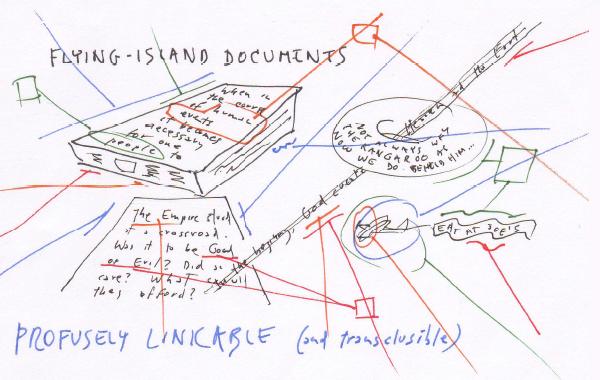
 Xanadu allows transclusion, which is the existence of the same information in more than one place. Two completely different documents can share a few paragraphs, for instance, and when those paragraphs are updated on one of the documents, the new version is automatically seen on the other. Ted Nelson sees transclusion as "what quotation, copying and cross-referencing merely attempt."
In Xanadu structure, a link is a connection between things which are different, and a transclusion is a connection between things which are the same. This is explained in The Future of Information by T. Nelson, and in various articles to be found in our archive at Xanadu Australia.
Xanadu allows transclusion, which is the existence of the same information in more than one place. Two completely different documents can share a few paragraphs, for instance, and when those paragraphs are updated on one of the documents, the new version is automatically seen on the other. Ted Nelson sees transclusion as "what quotation, copying and cross-referencing merely attempt."
In Xanadu structure, a link is a connection between things which are different, and a transclusion is a connection between things which are the same. This is explained in The Future of Information by T. Nelson, and in various articles to be found in our archive at Xanadu Australia.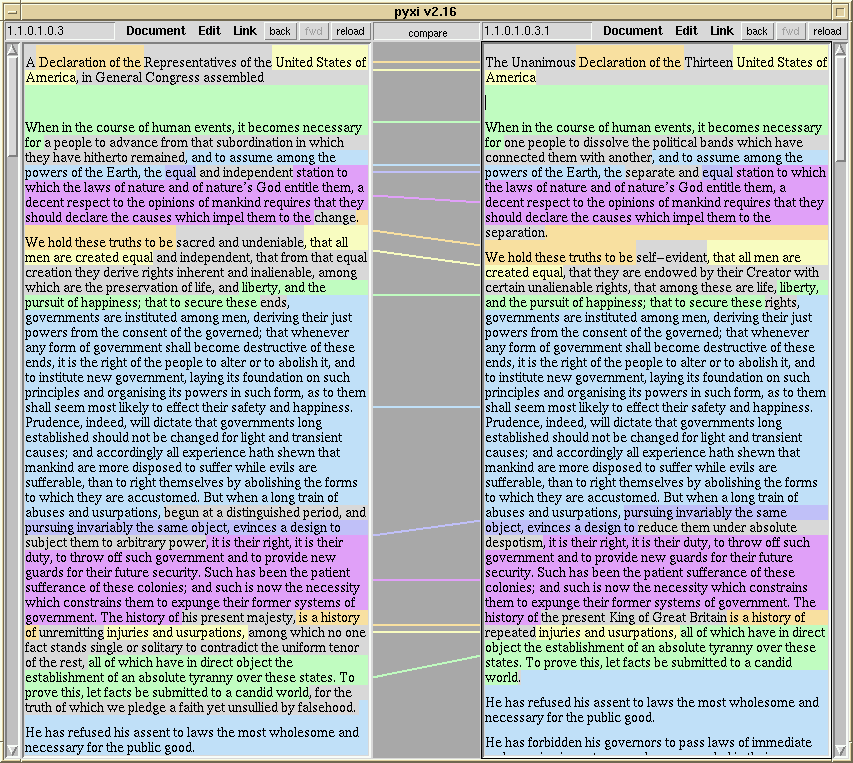
 Stéphane Mallarmé's treatment of syntax, sound, the absence of language, and intertextuality that allow for multiple non-linear readings of his poems, can be understood as an early precursor to hypertext.
Hypertext, as defined by Ted Nelson in a 1965 article published by Literary Machines, "means nonsequential writing - text that branches and allows choice to the reader, best read at an interactive screen."
By this definition, Mallarmé's poems, specifically Un Coup de Dés Jamais N'Abolira Le Hasard illustrate the hypertextual property of "nonsequential writing - text that branches and allows choice to the reader."
While Nelson's definition denotes a text that is best read at a screen, Mallarmé was working with the tools available to him: the printed word (or absence thereof). These materials did prove problematic for Mallarmé, which is evidenced in the multiple editions and interpretations of his detailed notes for presentation of the poem.http://udanax.com/green/febe/philosophy.html (http://udanax.com/green/febe/philosophy.html)
Stéphane Mallarmé's treatment of syntax, sound, the absence of language, and intertextuality that allow for multiple non-linear readings of his poems, can be understood as an early precursor to hypertext.
Hypertext, as defined by Ted Nelson in a 1965 article published by Literary Machines, "means nonsequential writing - text that branches and allows choice to the reader, best read at an interactive screen."
By this definition, Mallarmé's poems, specifically Un Coup de Dés Jamais N'Abolira Le Hasard illustrate the hypertextual property of "nonsequential writing - text that branches and allows choice to the reader."
While Nelson's definition denotes a text that is best read at a screen, Mallarmé was working with the tools available to him: the printed word (or absence thereof). These materials did prove problematic for Mallarmé, which is evidenced in the multiple editions and interpretations of his detailed notes for presentation of the poem.http://udanax.com/green/febe/philosophy.html (http://udanax.com/green/febe/philosophy.html)
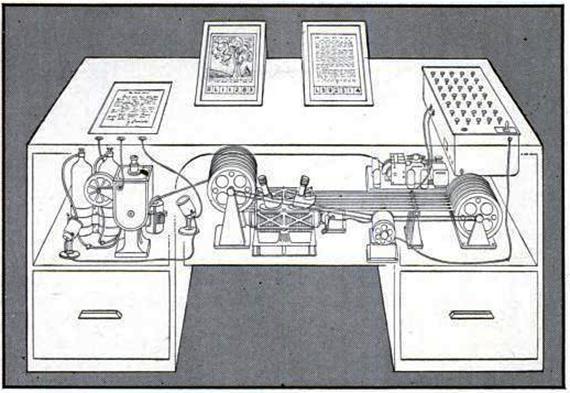
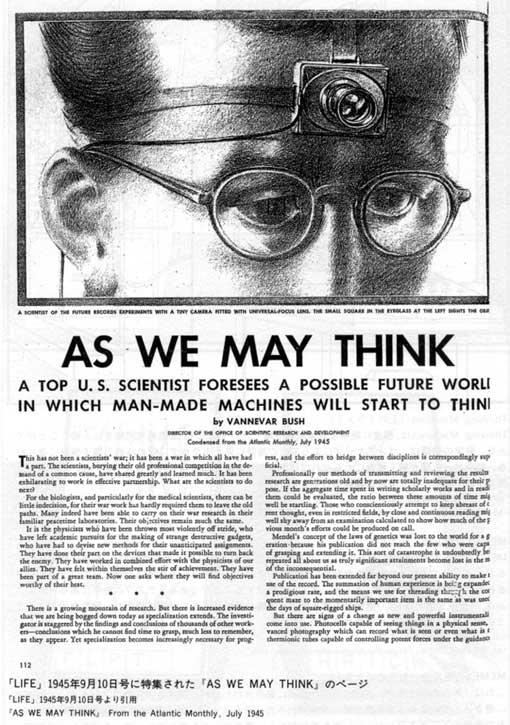
 An associative trail as conceived by Vannevar Bush would be a way to create a new linear sequence of microfilm frames across any arbitrary sequence of microfilm frames by creating a chained sequence of links in the way just described, along with personal comments and side trails. At the time Bush saw the current ways of indexing information as limiting and instead proposed a way to store information that was analogous to the mental association of the human brain: storing information with the capability of easy access at a later time using certain cues (in this case, a series of numbers as a code to retrieve data) The closest analogy with the modern Web browser would be to create a list of bookmarks to articles relevant to a topic, and then to have some mechanism for automatically scrolling through the articles (for example, use Google to search for a keyword, obtain a list of matches, and then use "open in new tab" in your browser and visit each tab sequentially). Modern hypertext

 If nature has made any one thing less susceptible than all others of exclusive property, it is the action of the thinking power called an idea, which an individual may exclusively possess as long as he keeps it to himself; but the moment it is divulged, it forces itself into the possession of every one, and the receiver cannot dispossess himself of it. Its peculiar character, too, is that no one possesses the less, because every other possesses the whole of it. He who receives an idea from me, receives instruction himself without lessening mine; as he who lights his taper at mine, receives light without darkening me.
That ideas should freely spread from one to another over the globe, for the moral and mutual instruction of man, and improvement of his condition, seems to have been peculiarly and benevolently designed by nature, when she made them, like fire, expansible over all space, without lessening their density in any point, and like the air in which we breathe, move, and have our physical being, incapable of confinement or exclusive appropriation.
-Thomas Jefferson
If nature has made any one thing less susceptible than all others of exclusive property, it is the action of the thinking power called an idea, which an individual may exclusively possess as long as he keeps it to himself; but the moment it is divulged, it forces itself into the possession of every one, and the receiver cannot dispossess himself of it. Its peculiar character, too, is that no one possesses the less, because every other possesses the whole of it. He who receives an idea from me, receives instruction himself without lessening mine; as he who lights his taper at mine, receives light without darkening me.
That ideas should freely spread from one to another over the globe, for the moral and mutual instruction of man, and improvement of his condition, seems to have been peculiarly and benevolently designed by nature, when she made them, like fire, expansible over all space, without lessening their density in any point, and like the air in which we breathe, move, and have our physical being, incapable of confinement or exclusive appropriation.
-Thomas Jefferson
 Your app should take sides
Some people argue software should be agnostic. They say it's arrogant for developers to limit features or ignore feature requests. They say software should always be as flexible as possible.
We think that's bullshit. The best software has a vision. The best software takes sides. When someone uses software, they're not just looking for features, they're looking for an approach. They're looking for a vision. Decide what your vision is and run with it.
And remember, if they don't like your vision there are plenty of other visions out there for people. Don't go chasing people you'll never make happy.
A great example is the original wiki design. Ward Cunningham and friends deliberately stripped the wiki of many features that were considered integral to document collaboration in the past. Instead of attributing each change of the document to a certain person, they removed much of the visual representation of ownership. They made the content ego-less and time-less. They decided it wasn't important who wrote the content or when it was written. And that has made all the difference. This decision fostered a shared sense of community and was a key ingredient in the success of Wikipedia.
Our apps have followed a similar path. They don't try to be all things to all people. They have an attitude. They seek out customers who are actually partners. They speak to people who share our vision. You're either on the bus or off the bus.
http://gettingreal.37signals.com/ch04_Make_Opinionated_Software.php (http://gettingreal.37signals.com/ch04_Make_Opinionated_Software.php)
Your app should take sides
Some people argue software should be agnostic. They say it's arrogant for developers to limit features or ignore feature requests. They say software should always be as flexible as possible.
We think that's bullshit. The best software has a vision. The best software takes sides. When someone uses software, they're not just looking for features, they're looking for an approach. They're looking for a vision. Decide what your vision is and run with it.
And remember, if they don't like your vision there are plenty of other visions out there for people. Don't go chasing people you'll never make happy.
A great example is the original wiki design. Ward Cunningham and friends deliberately stripped the wiki of many features that were considered integral to document collaboration in the past. Instead of attributing each change of the document to a certain person, they removed much of the visual representation of ownership. They made the content ego-less and time-less. They decided it wasn't important who wrote the content or when it was written. And that has made all the difference. This decision fostered a shared sense of community and was a key ingredient in the success of Wikipedia.
Our apps have followed a similar path. They don't try to be all things to all people. They have an attitude. They seek out customers who are actually partners. They speak to people who share our vision. You're either on the bus or off the bus.
http://gettingreal.37signals.com/ch04_Make_Opinionated_Software.php (http://gettingreal.37signals.com/ch04_Make_Opinionated_Software.php)
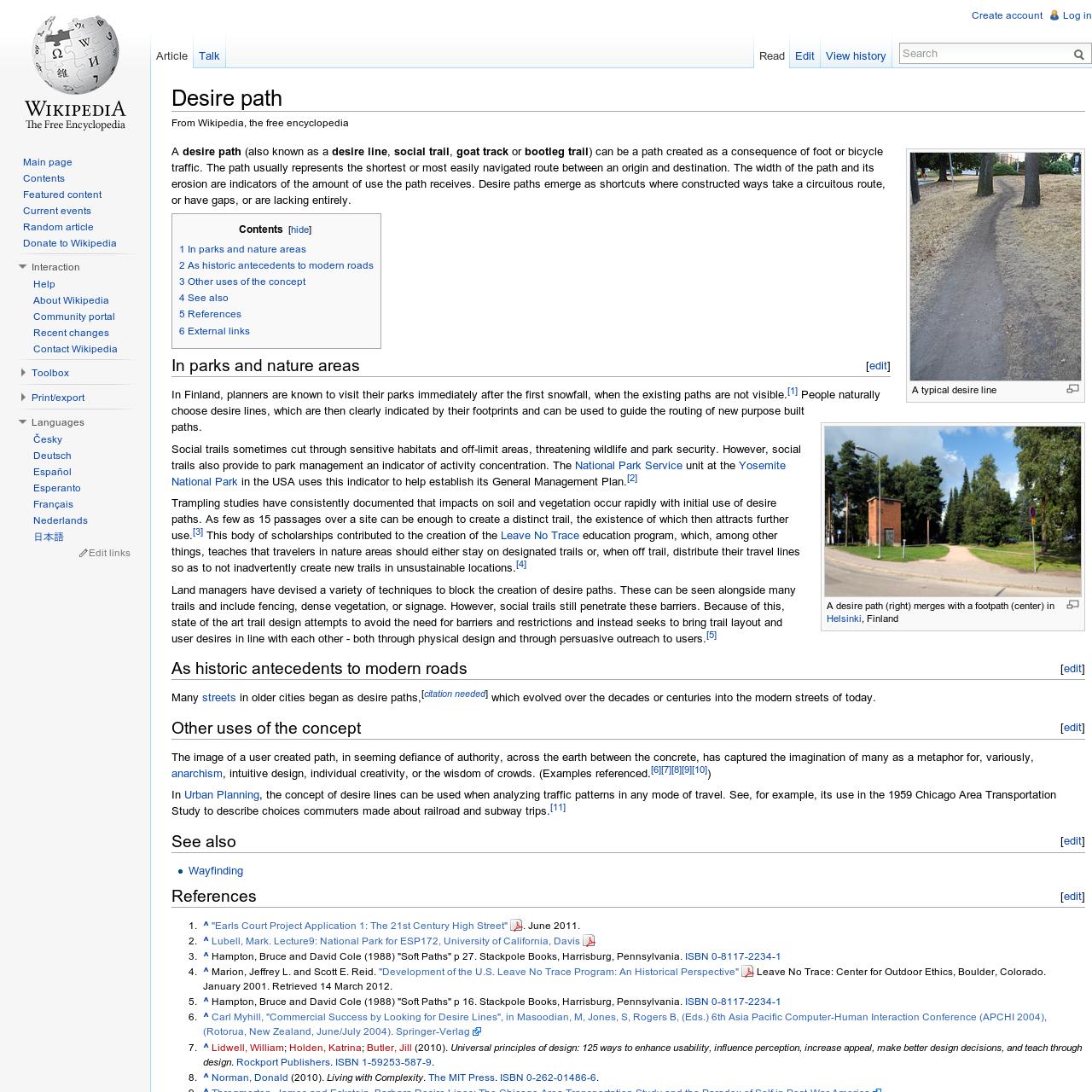
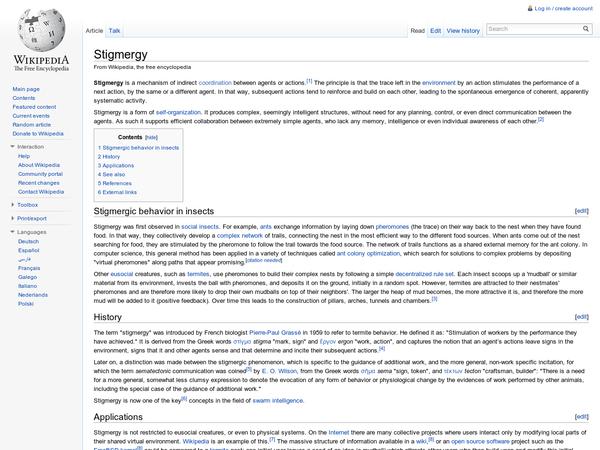 A desire path (also known as a desire line or social trail) is a path developed by erosion caused by footfall. The path usually represents the shortest or most easily navigated route between an origin and destination. The width and amount of erosion of the line represents the amount of demand.
Desire paths can usually be found as shortcuts where constructed pathways take a circuitous route.
They are manifested on the surface of the earth in certain cases, e.g., as dirt pathways created by people walking through a field, when the original movement by individuals helps clear a path, thereby encouraging more travel. Explorers may tread a path through foliage or grass, leaving a trail "of least resistance" for followers.
A desire path (also known as a desire line or social trail) is a path developed by erosion caused by footfall. The path usually represents the shortest or most easily navigated route between an origin and destination. The width and amount of erosion of the line represents the amount of demand.
Desire paths can usually be found as shortcuts where constructed pathways take a circuitous route.
They are manifested on the surface of the earth in certain cases, e.g., as dirt pathways created by people walking through a field, when the original movement by individuals helps clear a path, thereby encouraging more travel. Explorers may tread a path through foliage or grass, leaving a trail "of least resistance" for followers. http://www.kk.org/thetechnium/archives/2011/08/why_the_impossi.php (http://www.kk.org/thetechnium/archives/2011/08/why_the_impossi.php)
In a word: emergence. As far as I can tell the impossible things that happen now are in every case manifestations of a new, bigger level of organization. They are the result of large-scale collaboration, or immense collections of information, or global structures, or gigantic real-time social interactions. Just as a tissue is a new, bigger level of organization for a bunch of individual cells, these new social structures are a new bigger level for individual humans. And in both cases the new level breeds emergence. New behaviors emerge from the new level that were impossible at the lower level. Tissue can do things that cells can't. The collectivist organizations of wikipedia, Linux, the web can do things that industrialized humans could not.
http://www.kk.org/thetechnium/archives/2011/08/why_the_impossi.php (http://www.kk.org/thetechnium/archives/2011/08/why_the_impossi.php)
In a word: emergence. As far as I can tell the impossible things that happen now are in every case manifestations of a new, bigger level of organization. They are the result of large-scale collaboration, or immense collections of information, or global structures, or gigantic real-time social interactions. Just as a tissue is a new, bigger level of organization for a bunch of individual cells, these new social structures are a new bigger level for individual humans. And in both cases the new level breeds emergence. New behaviors emerge from the new level that were impossible at the lower level. Tissue can do things that cells can't. The collectivist organizations of wikipedia, Linux, the web can do things that industrialized humans could not.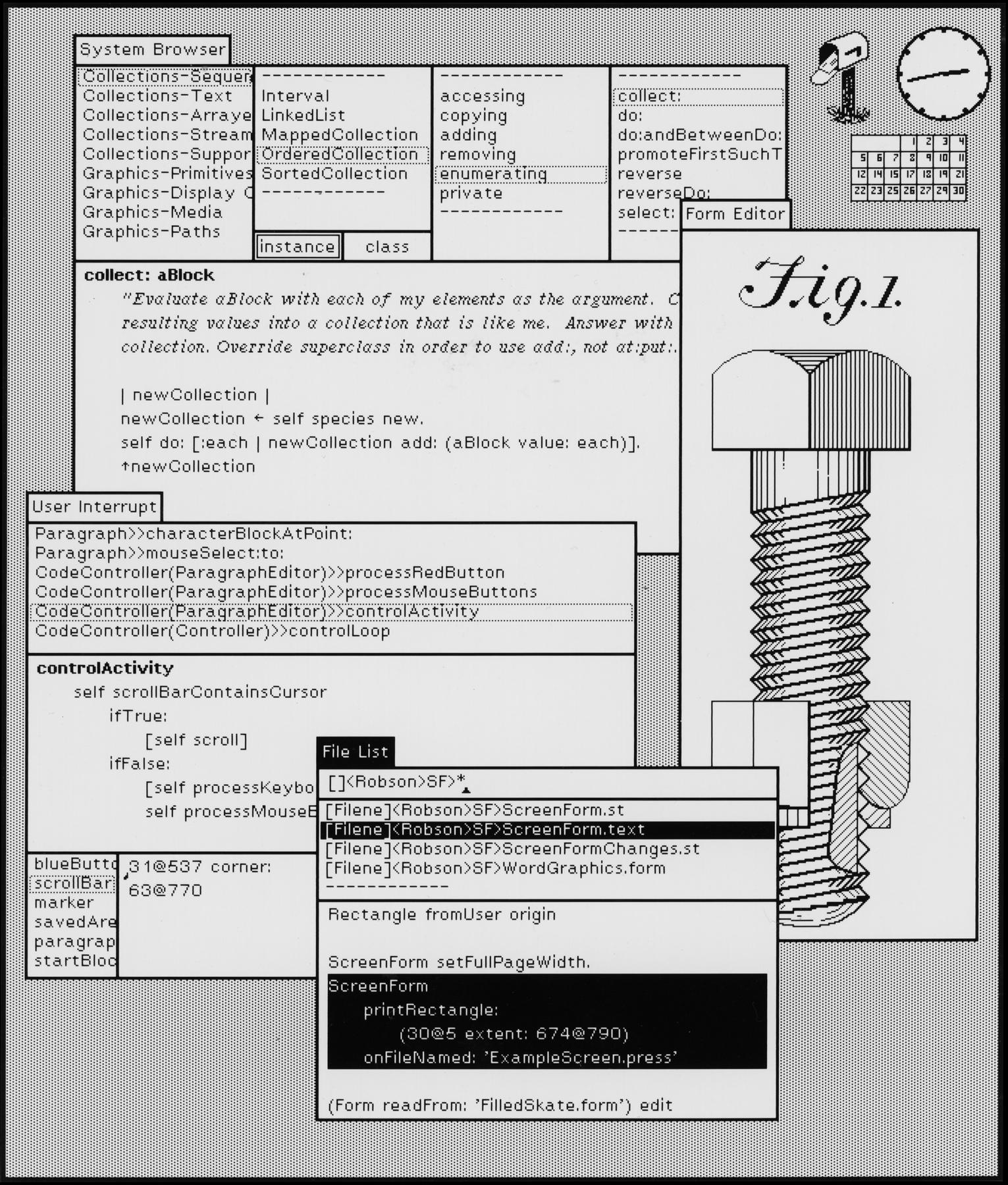
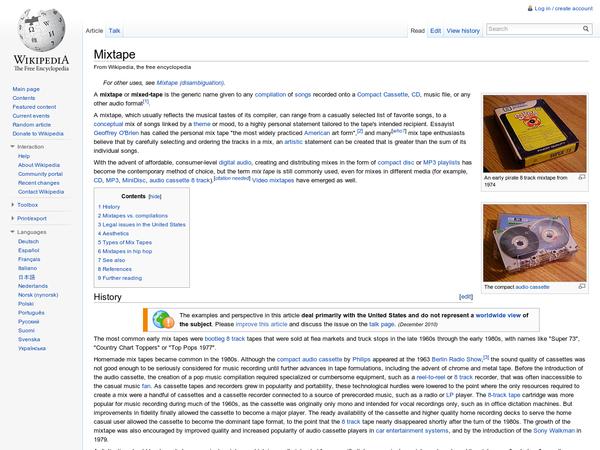
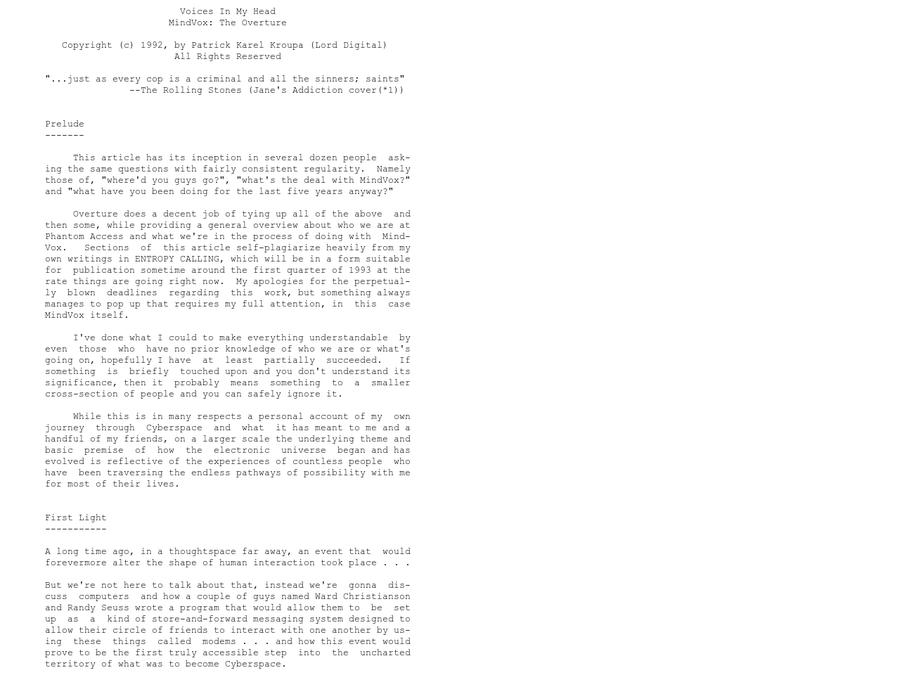
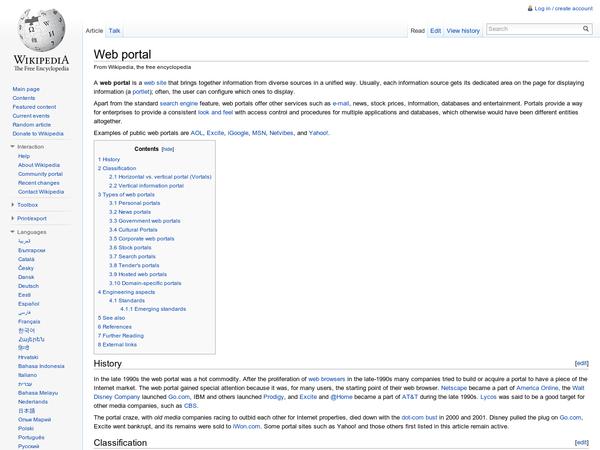
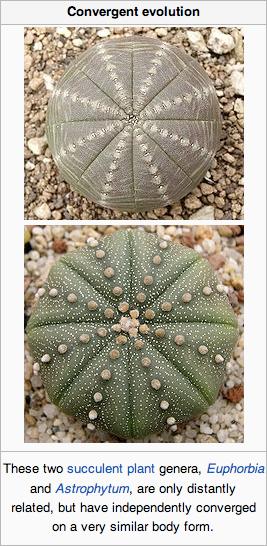
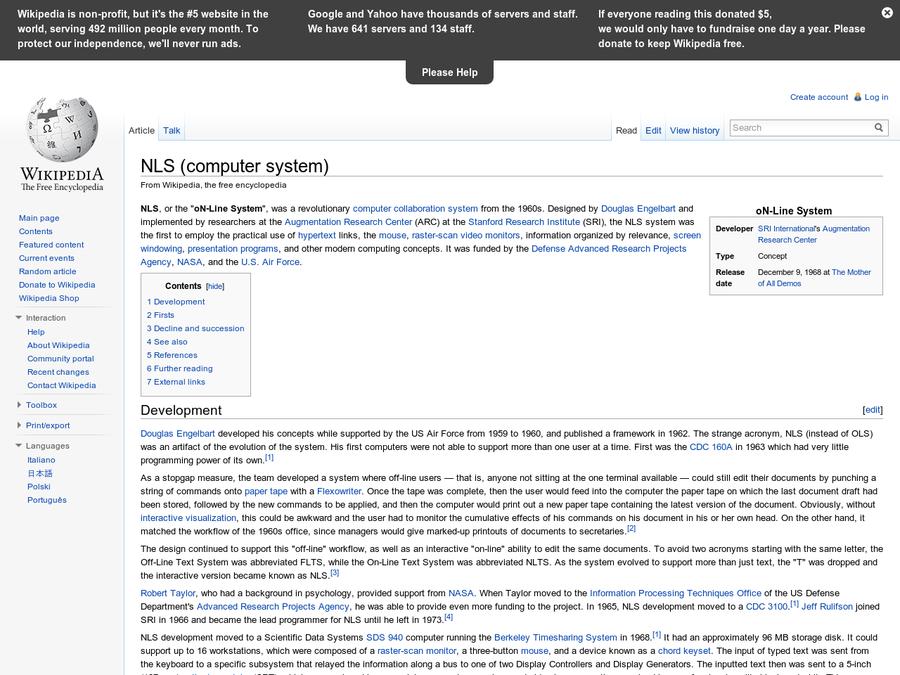
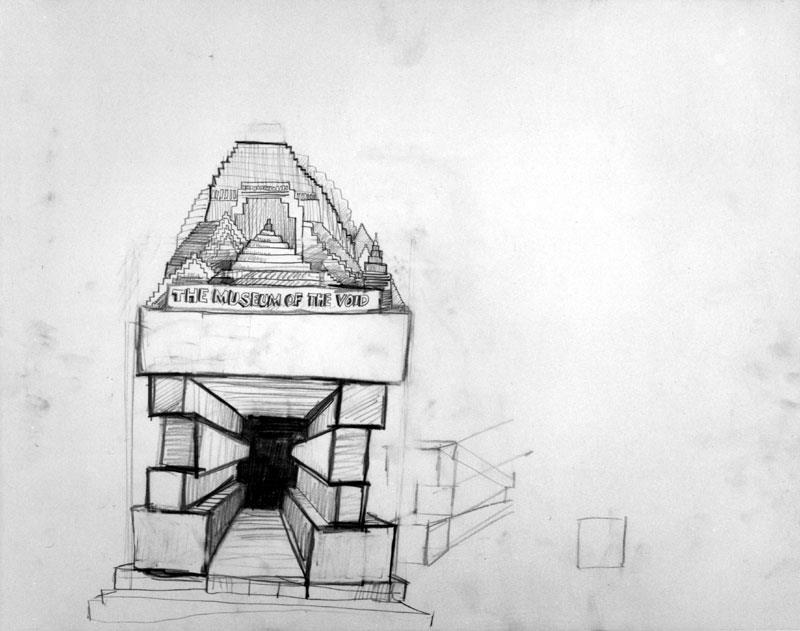
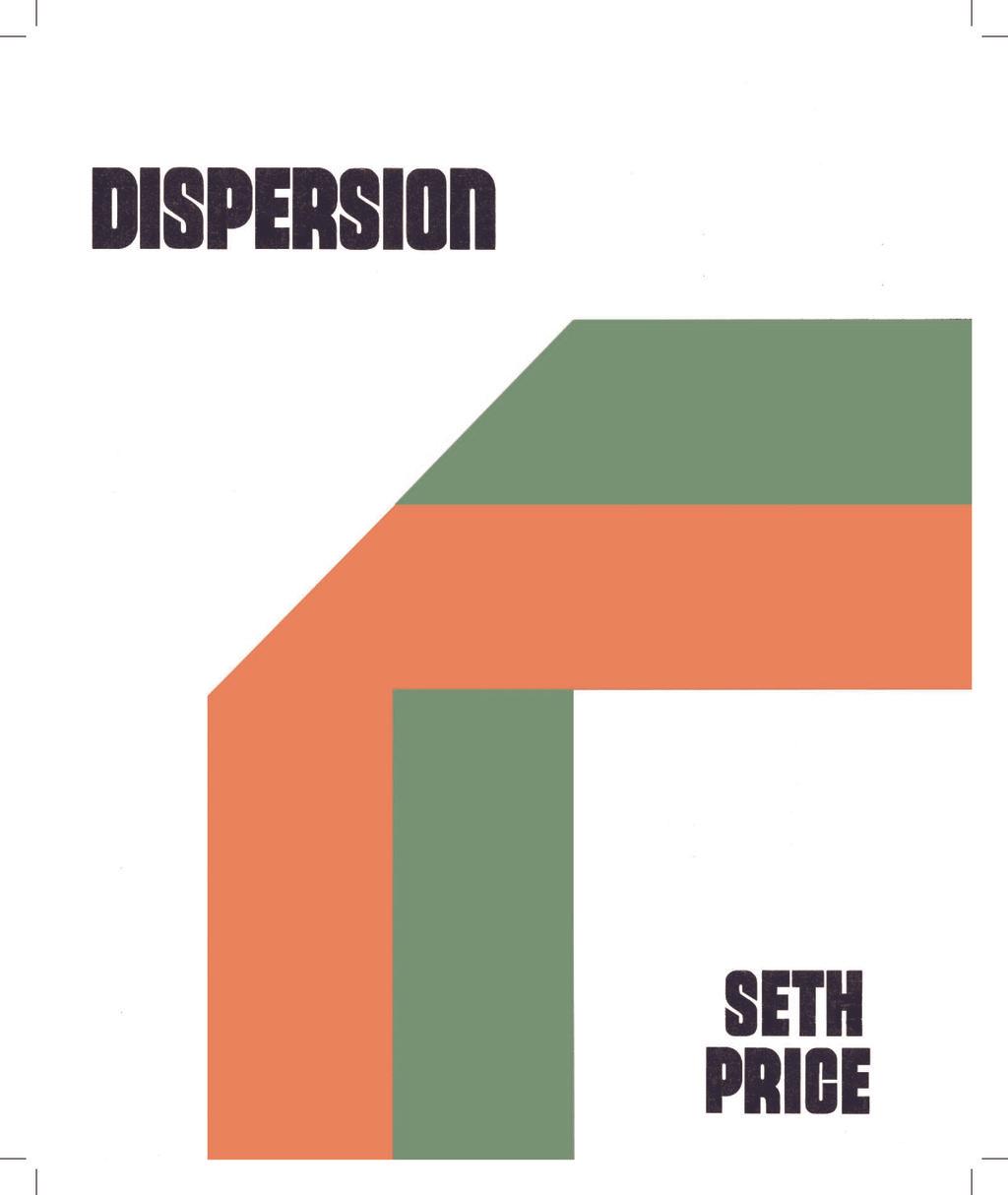
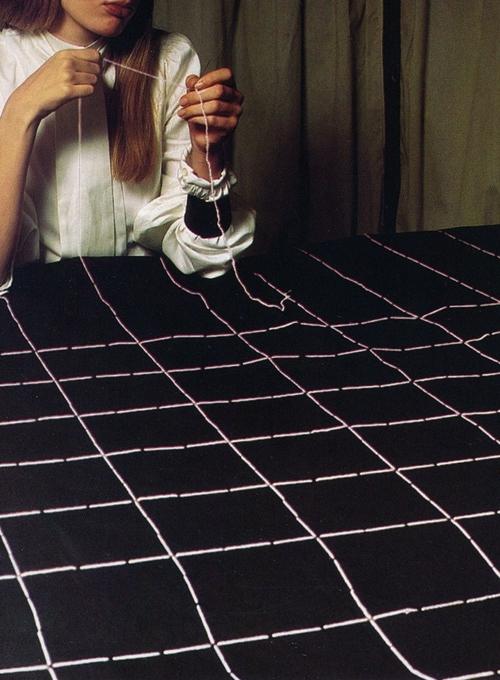
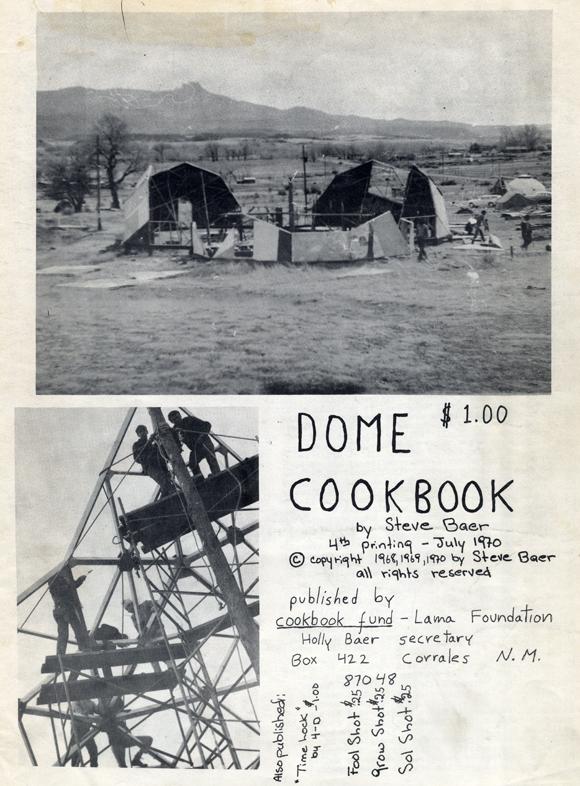
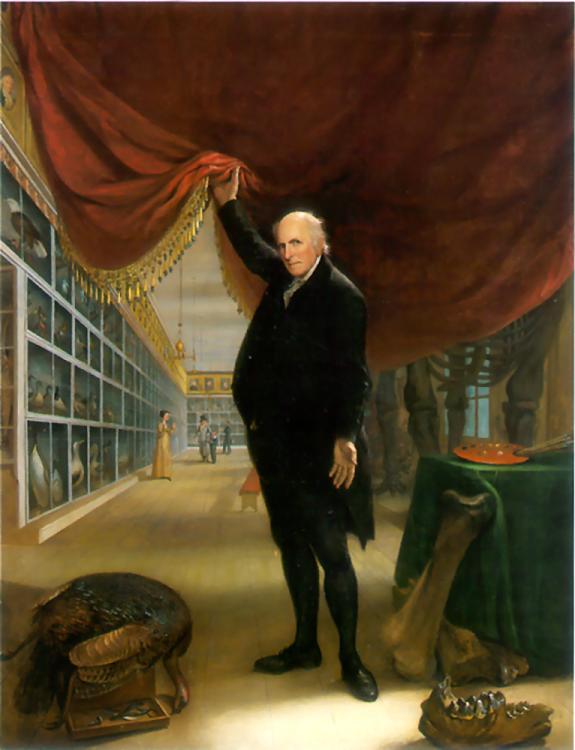 Quote from Goodreads.com.
http://www.goodreads.com/author/quotes/1260.Michel_Foucault
From a Book listed in Goodreads.com:
http://www.goodreads.com/author/list/1260.Michel_Foucault“It’s not where you take things from — it’s where you take them to.” - J.L.G. (http://en.wikipedia.org/wiki/Jean_Luc_Godard)
Quote from Goodreads.com.
http://www.goodreads.com/author/quotes/1260.Michel_Foucault
From a Book listed in Goodreads.com:
http://www.goodreads.com/author/list/1260.Michel_Foucault“It’s not where you take things from — it’s where you take them to.” - J.L.G. (http://en.wikipedia.org/wiki/Jean_Luc_Godard)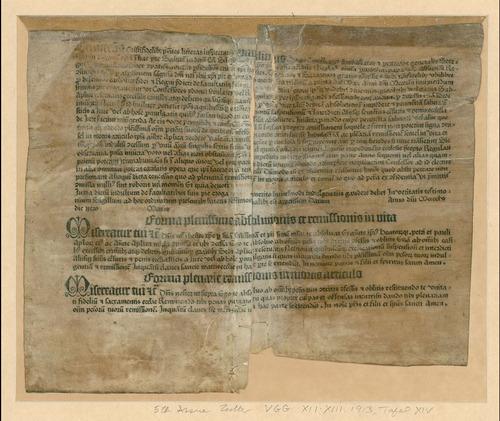
 “You never change things by fighting existing reality. To change something, build a new model that makes the existing model obsolete.” - Buckminster Fuller
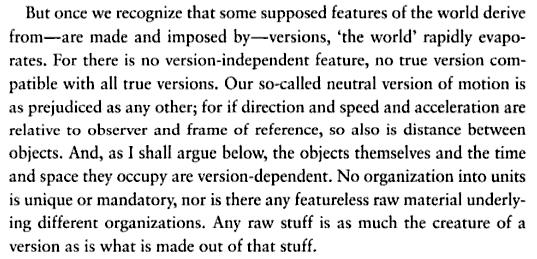
 Note: The statement has been placed in a National Aeronautics and Space Administration Voyager spacecraft which is scheduled to be launched August 20. The statement is recorded in electronic impulses which can be converted into printed words.
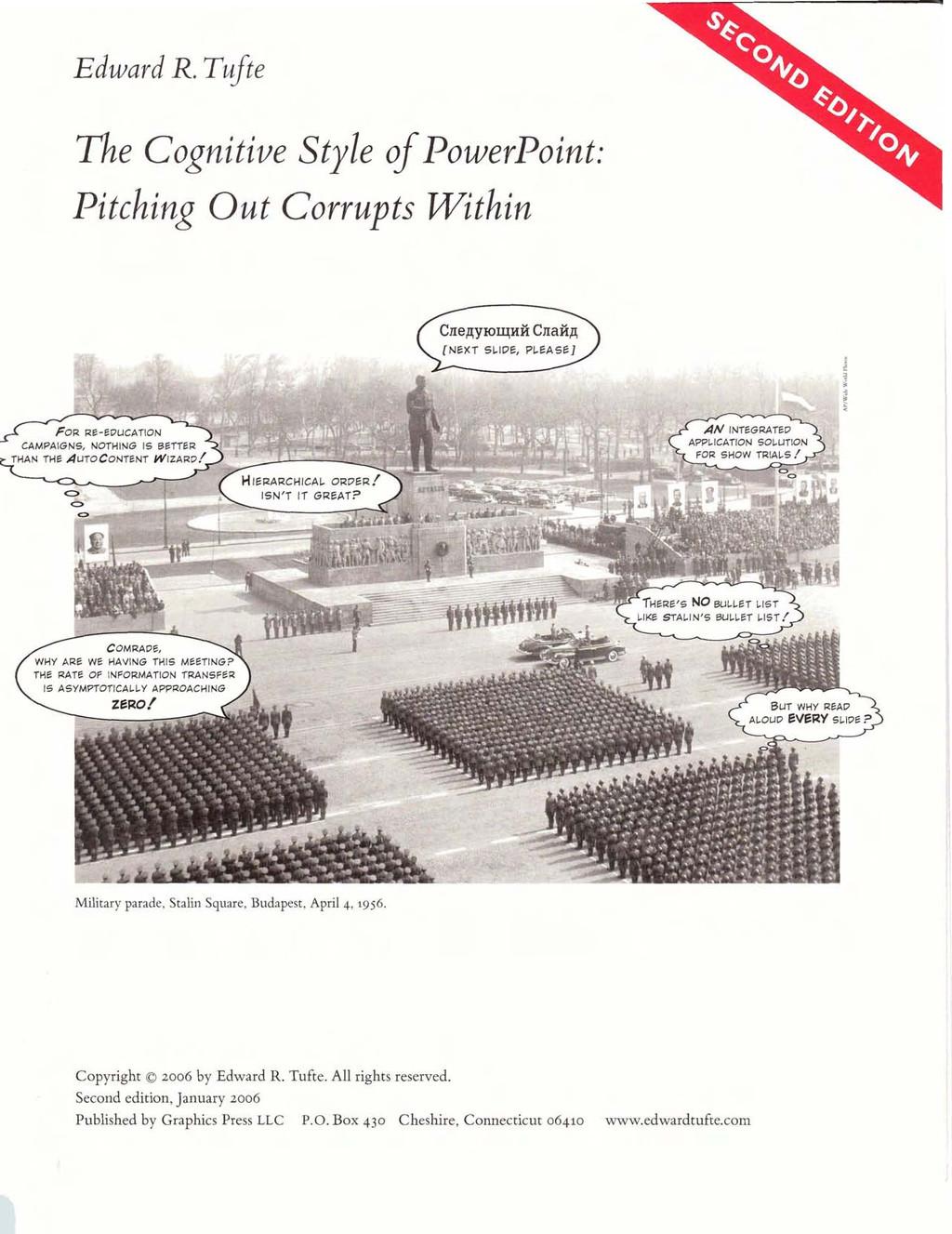
 "PowerPoint is just simulated acetate overhead slides, and to me, that is a kind of a moral crime." - Alan Kay (http://www.drdobbs.com/architecture-and-design/interview-with-alan-kay/240003442?pgno=2)

 “A life is everywhere, in all the moments that a given living subject goes through and that are measured by given lived objects: an immanent life carrying with it the events or singularities that are merely actualized in subjects and objects. This indefinite life does not itself have moments, close as they may be one to another, but only between-times, between-moments; it doesn’t just come about or come after but offers the immensity of an empty time where one sees the event yet to come and already happened…”
Gilles Deleuze, “Immanence: A Life”The making of americans
“A life is everywhere, in all the moments that a given living subject goes through and that are measured by given lived objects: an immanent life carrying with it the events or singularities that are merely actualized in subjects and objects. This indefinite life does not itself have moments, close as they may be one to another, but only between-times, between-moments; it doesn’t just come about or come after but offers the immensity of an empty time where one sees the event yet to come and already happened…”
Gilles Deleuze, “Immanence: A Life”The making of americans
 "The protean nature of the computer is such that it can act like a machine or like a language to be shaped and exploited. It is a medium that can dynamically simulate the details of any other medium, including media that cannot exist physically. It is not a tool, although it can act like many tools. It is the first metamedium, and as such it has degrees of freedom for representation and expression never before encountered and as yet barely investigated."
- Alan Kay (1984)Principle of cartography and decalcomania: a rhizome is not amenable to any structural or generative model. It is a stranger to any idea of genetic axis or deep structure ... The rhizome is altogether different, a map and not a tracing ... What distinguishes the map from the tracing is that it is entirely orientated towards an experimentation in contact with the real ... The map is open and connectable in all of its dimensions; it is detachable, reversible, susceptible to constant modification. It can be torn, reversed, adapted to any kind of mounting, reworked by an individual, group, or social formation. It can be drawn on a wall, conceived of as a work of art, constructed as political action or meditation.
"The protean nature of the computer is such that it can act like a machine or like a language to be shaped and exploited. It is a medium that can dynamically simulate the details of any other medium, including media that cannot exist physically. It is not a tool, although it can act like many tools. It is the first metamedium, and as such it has degrees of freedom for representation and expression never before encountered and as yet barely investigated."
- Alan Kay (1984)Principle of cartography and decalcomania: a rhizome is not amenable to any structural or generative model. It is a stranger to any idea of genetic axis or deep structure ... The rhizome is altogether different, a map and not a tracing ... What distinguishes the map from the tracing is that it is entirely orientated towards an experimentation in contact with the real ... The map is open and connectable in all of its dimensions; it is detachable, reversible, susceptible to constant modification. It can be torn, reversed, adapted to any kind of mounting, reworked by an individual, group, or social formation. It can be drawn on a wall, conceived of as a work of art, constructed as political action or meditation.
 “The starting-point of critical elaboration is the consciousness of what one really is, and is ‘knowing thyself’ as a product of the historical processes to date, which has deposited in you an infinity of traces, without leaving an inventory, therefore it is imperative at the outset to compile such an inventory.” – Antonio Gramsci, Prison Notebooks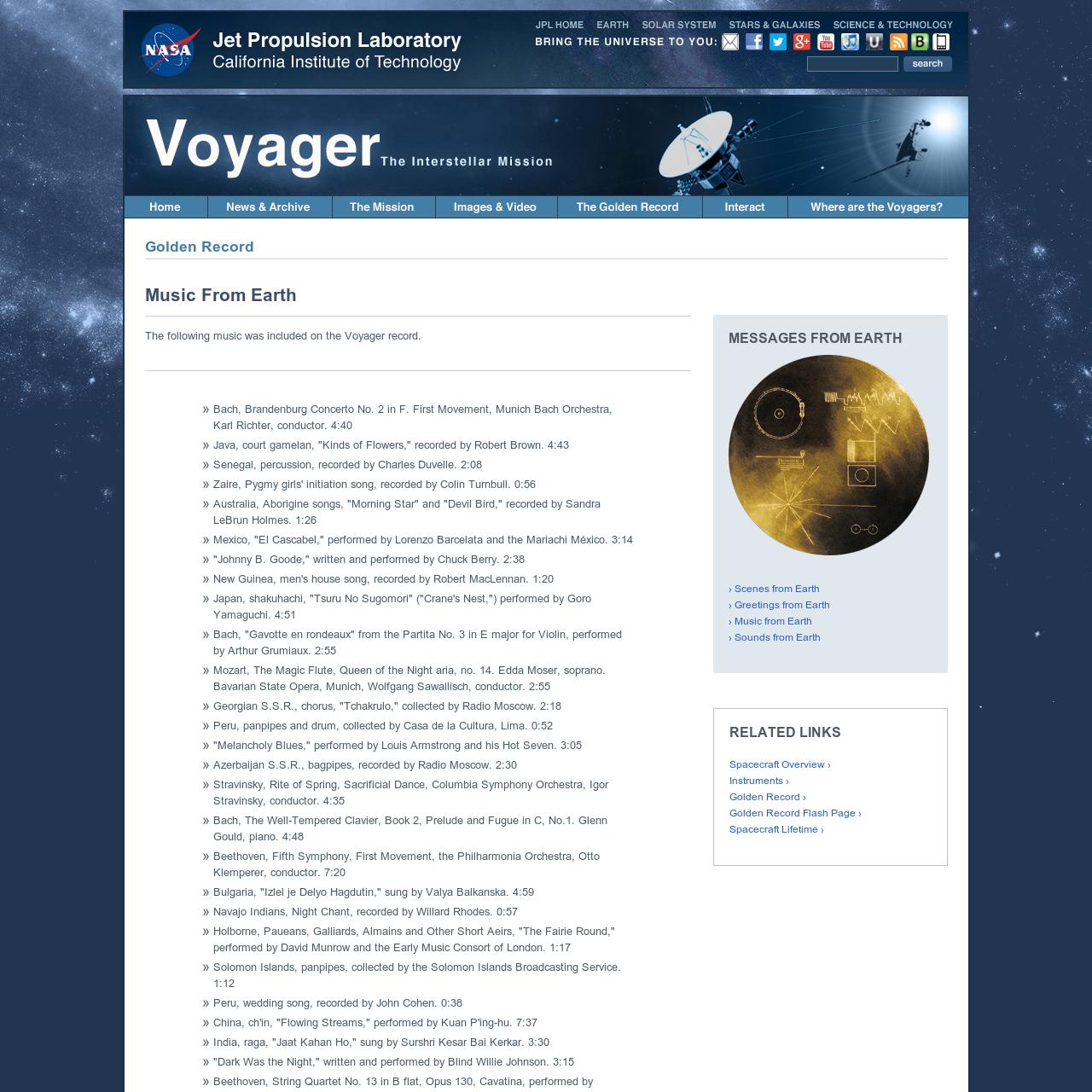
![Arpanet - Wireless Internet [Full Album]](https://images.are.na/eyJidWNrZXQiOiJhcmVuYV9pbWFnZXMiLCJrZXkiOiIxMzcwMDUvb3JpZ2luYWxfMjM1ODhlYzE5YjY3YWZmMDQ5MmNhZjhjZTc5YTZlMzkiLCJlZGl0cyI6eyJyZXNpemUiOnsid2lkdGgiOjE4MDAsImhlaWdodCI6MTgwMCwiZml0IjoiaW5zaWRlIiwid2l0aG91dEVubGFyZ2VtZW50Ijp0cnVlfSwid2VicCI6eyJxdWFsaXR5Ijo3NX0sImpwZWciOnsicXVhbGl0eSI6NzV9LCJyb3RhdGUiOm51bGx9fQ==)
 "And here we might discern the nature of virtuality. I heap endless scorn on the idea that the organization of information resembles the world or seeks to model the world. Rather, the system is not simply about something, it is something. It is a machine that has deterritorialized certain elements of the world and that functions as a machine hooked into all sorts of other machines – physiological, affective, social, bureaucratic, etc. – functioning like a factory so as to produce certain effects. Software releases pure events and separates them from their happening. It proceeds by selection and isolation. In proceeding in this way, like any good factory, it produces something new through subtraction and becomes an entity that itself acts in the world."
– http://delinear.info/delinearinfo/2
"And here we might discern the nature of virtuality. I heap endless scorn on the idea that the organization of information resembles the world or seeks to model the world. Rather, the system is not simply about something, it is something. It is a machine that has deterritorialized certain elements of the world and that functions as a machine hooked into all sorts of other machines – physiological, affective, social, bureaucratic, etc. – functioning like a factory so as to produce certain effects. Software releases pure events and separates them from their happening. It proceeds by selection and isolation. In proceeding in this way, like any good factory, it produces something new through subtraction and becomes an entity that itself acts in the world."
– http://delinear.info/delinearinfo/2
 To address societal problems during his later years, Bohm wrote a proposal for a solution that has become known as "Bohm Dialogue", in which equal status and "free space" form the most important prerequisites of communication and the appreciation of differing personal beliefs. He suggested that if these Dialogue groups were experienced on a sufficiently wide scale, they could help overcome the isolation and fragmentation Bohm observed was inherent in society.
Bohm Dialogue (also known as Bohmian Dialogue or "Dialogue in the Spirit of David Bohm") is a freely-flowing group conversation that makes an attempt, utilizing a theoretical understanding of the way thoughts relate to universal reality, to more effectively investigate the crises that face society, and indeed the whole of human nature and consciousness.
To address societal problems during his later years, Bohm wrote a proposal for a solution that has become known as "Bohm Dialogue", in which equal status and "free space" form the most important prerequisites of communication and the appreciation of differing personal beliefs. He suggested that if these Dialogue groups were experienced on a sufficiently wide scale, they could help overcome the isolation and fragmentation Bohm observed was inherent in society.
Bohm Dialogue (also known as Bohmian Dialogue or "Dialogue in the Spirit of David Bohm") is a freely-flowing group conversation that makes an attempt, utilizing a theoretical understanding of the way thoughts relate to universal reality, to more effectively investigate the crises that face society, and indeed the whole of human nature and consciousness.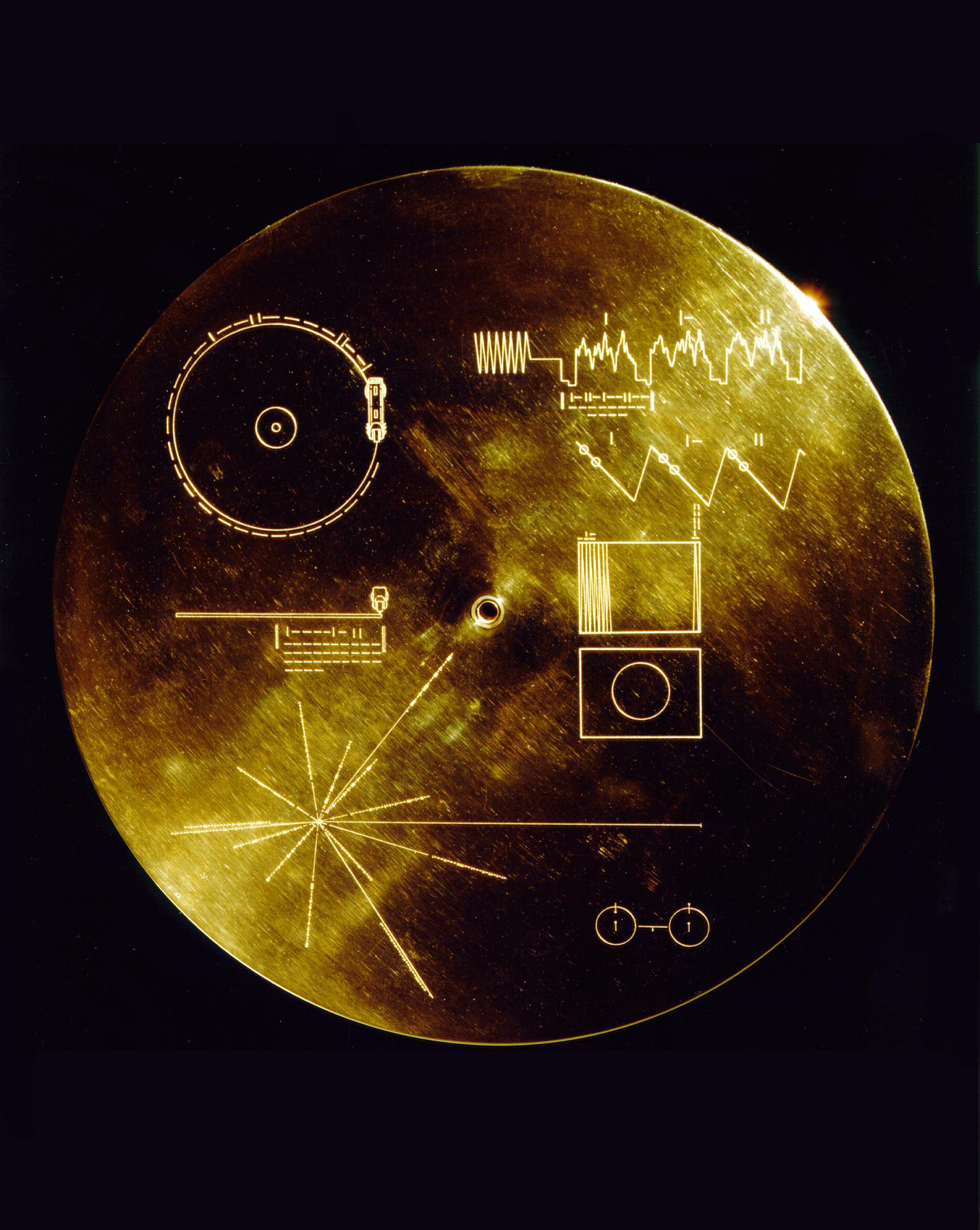
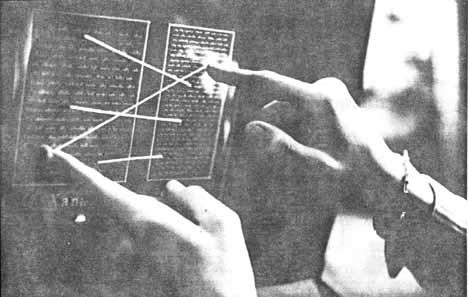
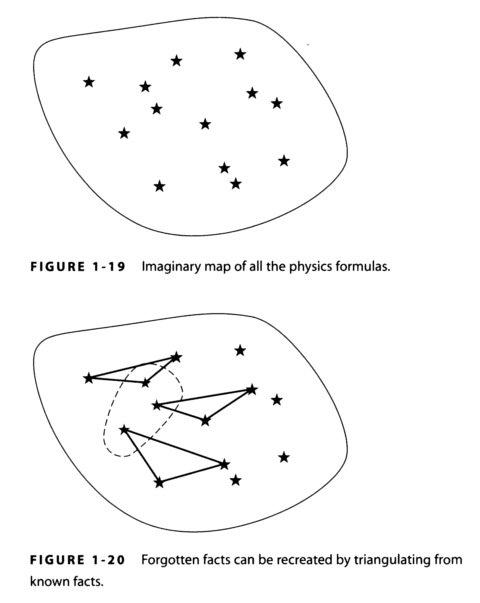 "The owner of the memex, let us say, is interested in the origin and properties of the bow and arrow. Specifically he is studying why the short Turkish bow was apparently superior to the English long bow in the skirmishes of the Crusades. He has dozens of possibly pertinent books and articles in his memex. First he runs through an encyclopedia, finds an interesting but sketchy article, leaves it projected. Next, in a history, he finds another pertinent item, and ties the two together. Thus he goes, building a trail of many items. Occasionally he inserts a comment of his own, either linking it into the main trail or joining it by a side trail to a particular item. When it becomes evident that the elastic properties of available materials had a great deal to do with the bow, he branches off on a side trail which takes him through textbooks on elasticity and tables of physical constants. He inserts a page of longhand analysis of his own. Thus he builds a trail of his interest through the maze of materials available to him."
– Douglas Engelbart, 1968"...the street finds its own uses for things"
-- William Gibson, Burning Chrome
"The owner of the memex, let us say, is interested in the origin and properties of the bow and arrow. Specifically he is studying why the short Turkish bow was apparently superior to the English long bow in the skirmishes of the Crusades. He has dozens of possibly pertinent books and articles in his memex. First he runs through an encyclopedia, finds an interesting but sketchy article, leaves it projected. Next, in a history, he finds another pertinent item, and ties the two together. Thus he goes, building a trail of many items. Occasionally he inserts a comment of his own, either linking it into the main trail or joining it by a side trail to a particular item. When it becomes evident that the elastic properties of available materials had a great deal to do with the bow, he branches off on a side trail which takes him through textbooks on elasticity and tables of physical constants. He inserts a page of longhand analysis of his own. Thus he builds a trail of his interest through the maze of materials available to him."
– Douglas Engelbart, 1968"...the street finds its own uses for things"
-- William Gibson, Burning Chrome "Creativity is just connecting things. When you ask creative people how they did something, they feel a little guilty because they didn’t really do it, they just saw something. It seemed obvious to them after a while."
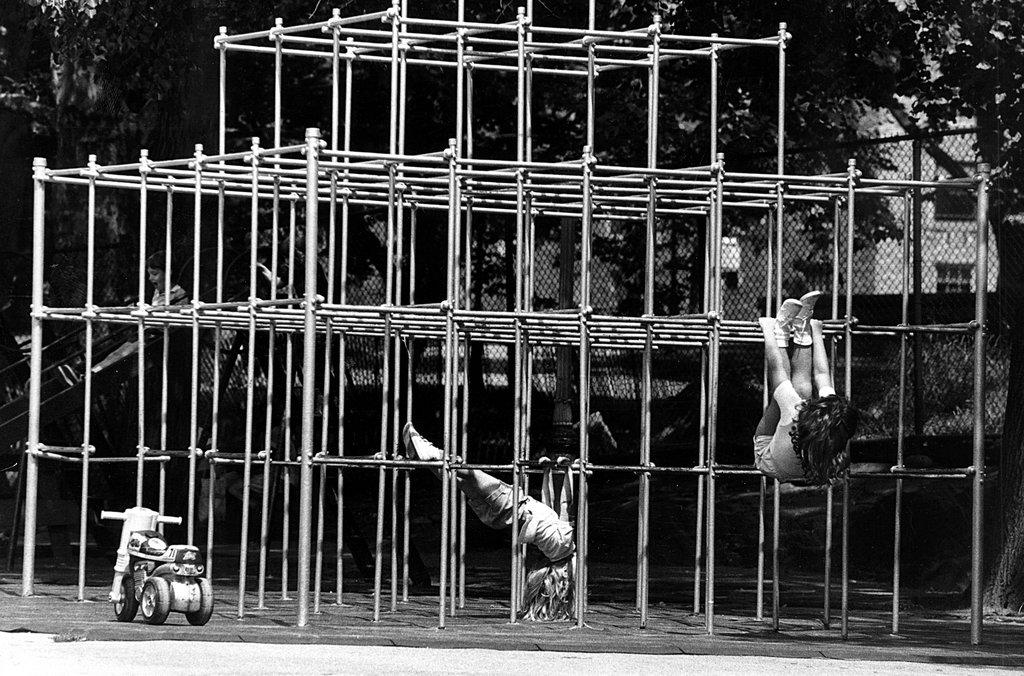 “I was made for the library, not the classroom. The classroom was a jail of other people’s interests. The library was open, unending, free.”
— Ta-Nehisi Coates, Between the World and Me
“I was made for the library, not the classroom. The classroom was a jail of other people’s interests. The library was open, unending, free.”
— Ta-Nehisi Coates, Between the World and Me

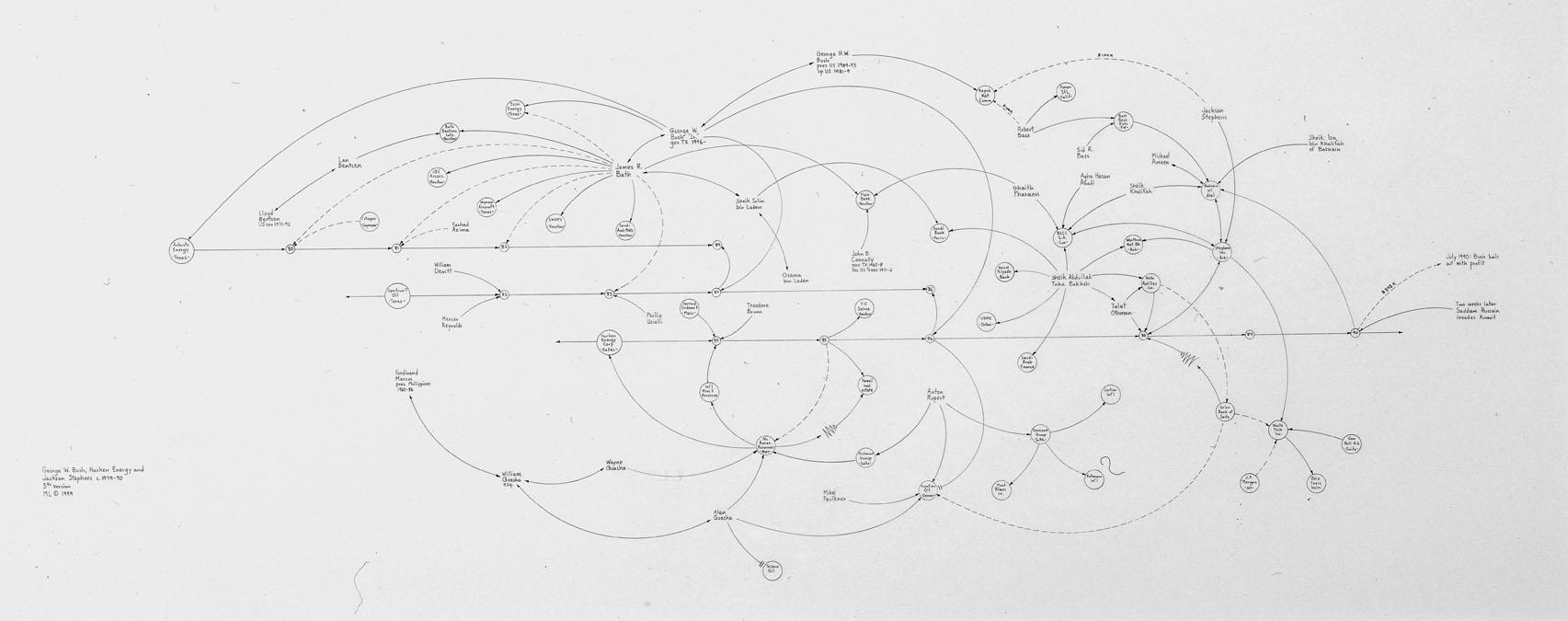
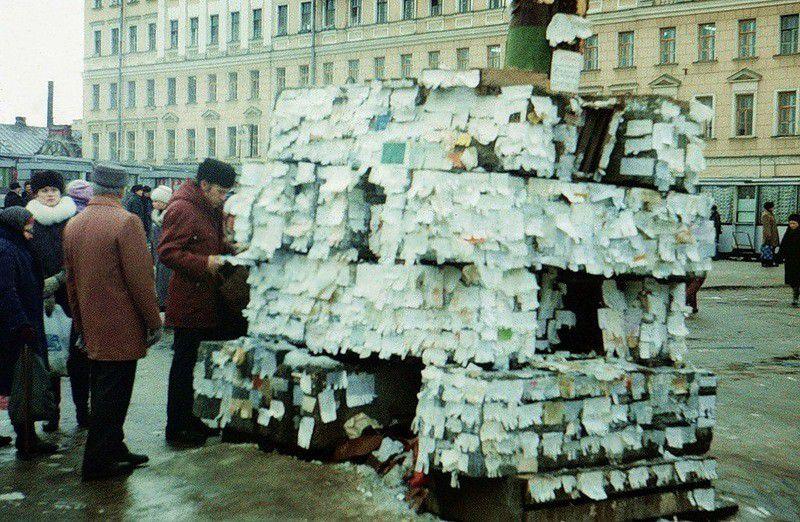
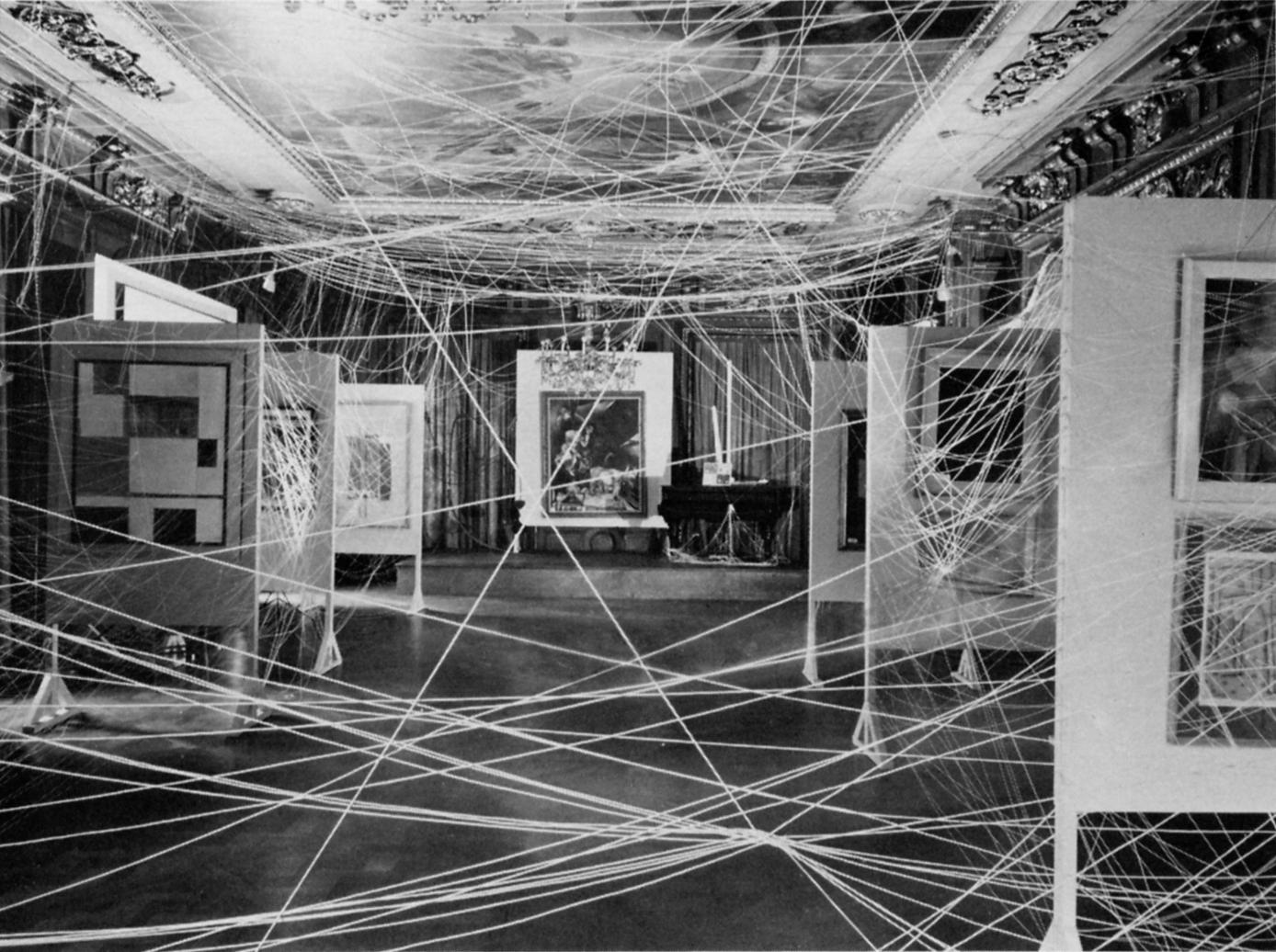
 “in the age of information overload, THE ULTIMATE LUXURY IS MEANING AND CONTEXT.”
– Louis Rossetto
“in the age of information overload, THE ULTIMATE LUXURY IS MEANING AND CONTEXT.”
– Louis Rossetto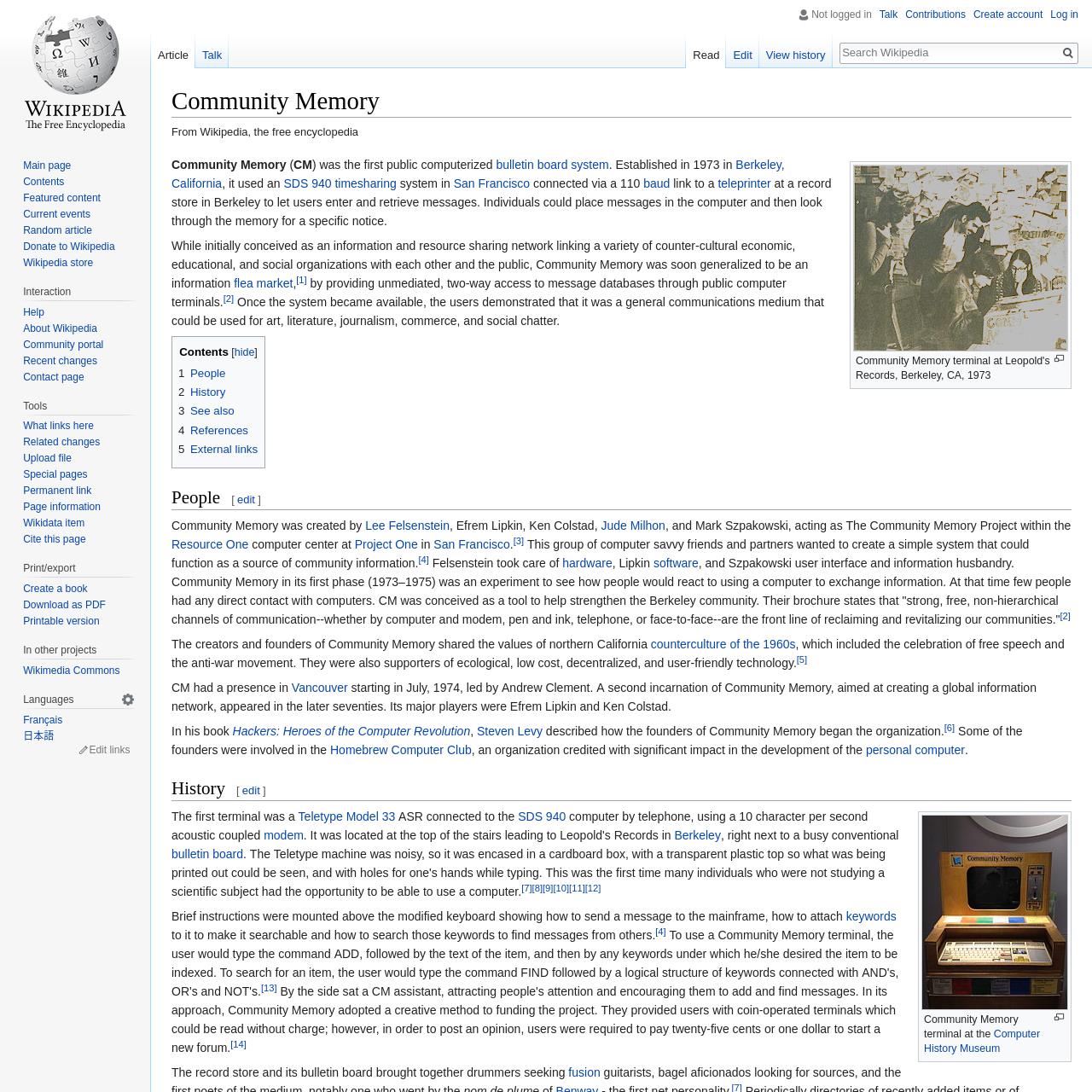 From Situated Learning: Legitimate Peripheral Participation (Wenger & Lave 1991)
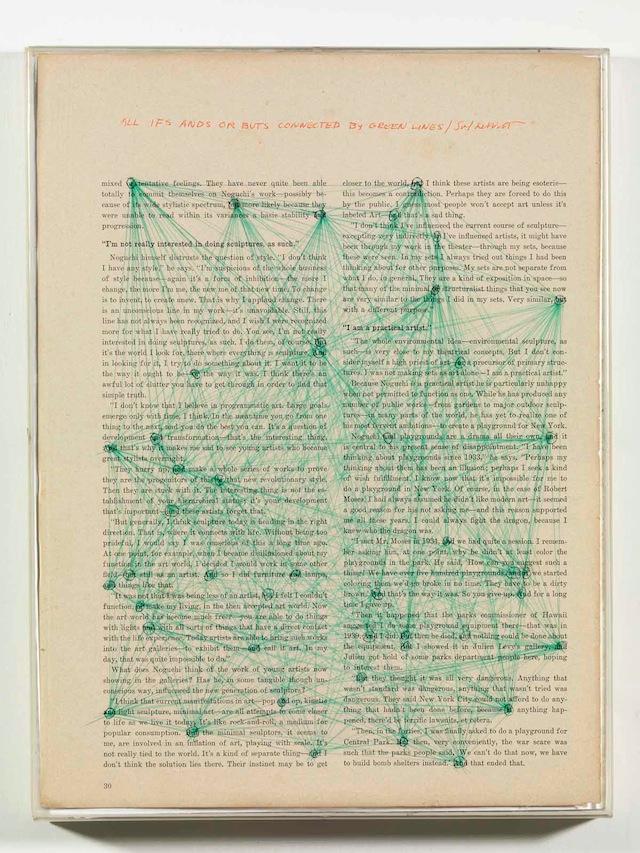
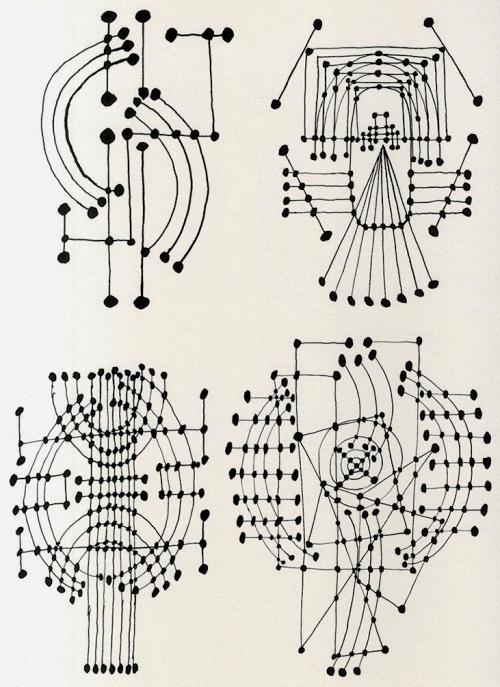
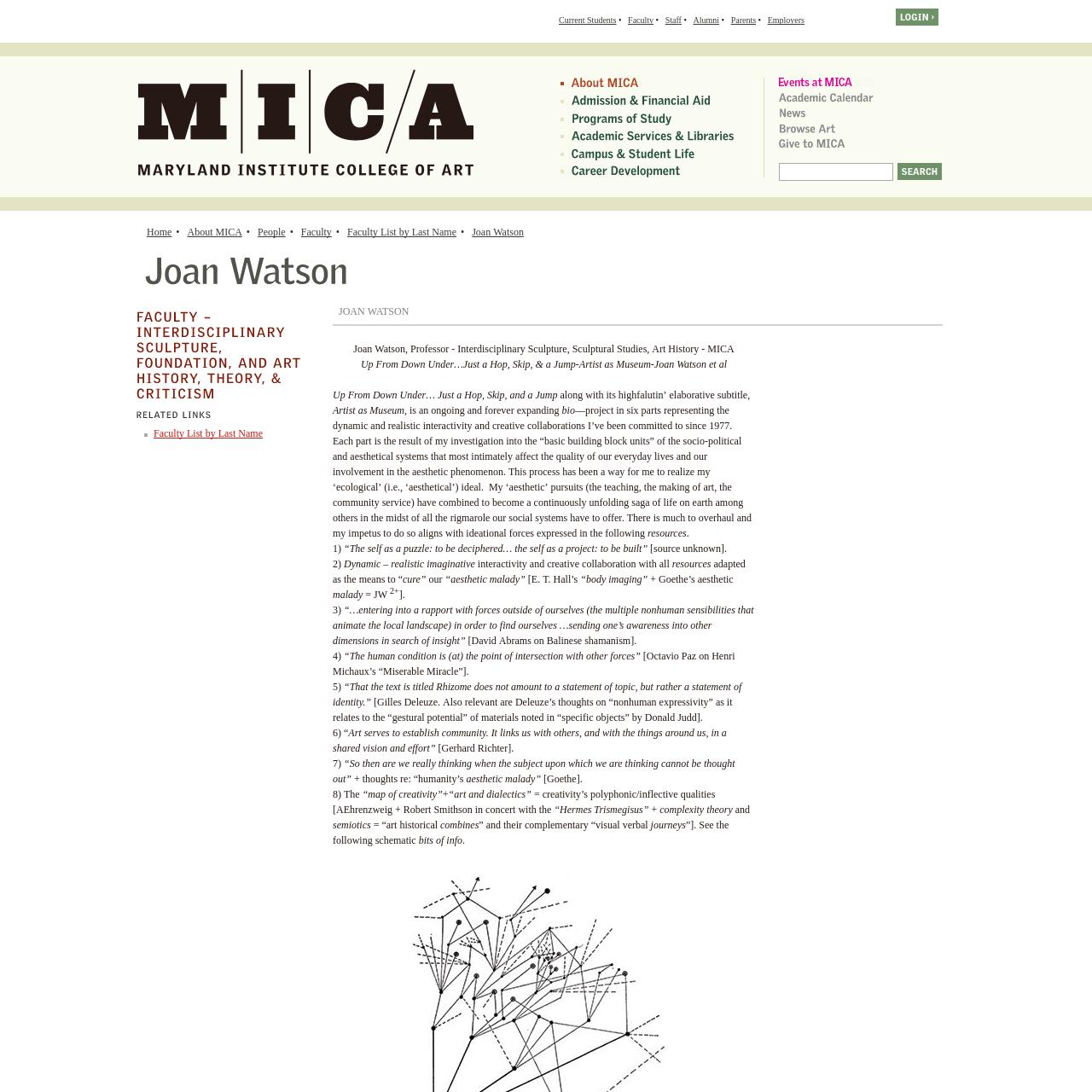 “Any fact becomes important when it’s connected to another.”
― Umberto Eco, Foucault’s Pendulum
“Any fact becomes important when it’s connected to another.”
― Umberto Eco, Foucault’s Pendulum